
Ledger.com/Start® | Getting™ Started — Ledger®
Explore Ledger.com/start for easy Ledger device setup guidance, including hardware connection, wallet initialization, security recommendations, and essential steps before managing supported cryptocurrency accounts.
Ledger.com/start: Complete Beginner Guide to Starting Your Ledger Wallet
Choosing a hardware wallet is an important step for users who want more control over their cryptocurrency. Ledger.com/start provides a convenient starting point for setting up a Ledger device and learning the basics of secure crypto management. From installing the required software to connecting the hardware wallet and protecting important backup information, each step plays a role in creating a safer wallet experience.
Understanding Ledger.com/start
Ledger.com/start is the official setup destination associated with Ledger hardware wallets. It helps users access the information and tools needed to begin using their Ledger device.
For cryptocurrency users, starting from the correct website is essential. Fake wallet websites and imitation applications are common security risks, so users should always verify the source before downloading software or entering any wallet-related information.
Getting Ready for Ledger Setup
Before beginning the setup process, prepare your Ledger hardware wallet, computer, and required accessories. Make sure you are in a secure environment where you can complete the setup without interruptions.
Avoid allowing unknown individuals to guide you through wallet installation. Your hardware device, recovery information, and account access should always remain under your personal control.
Install the Ledger Wallet Application
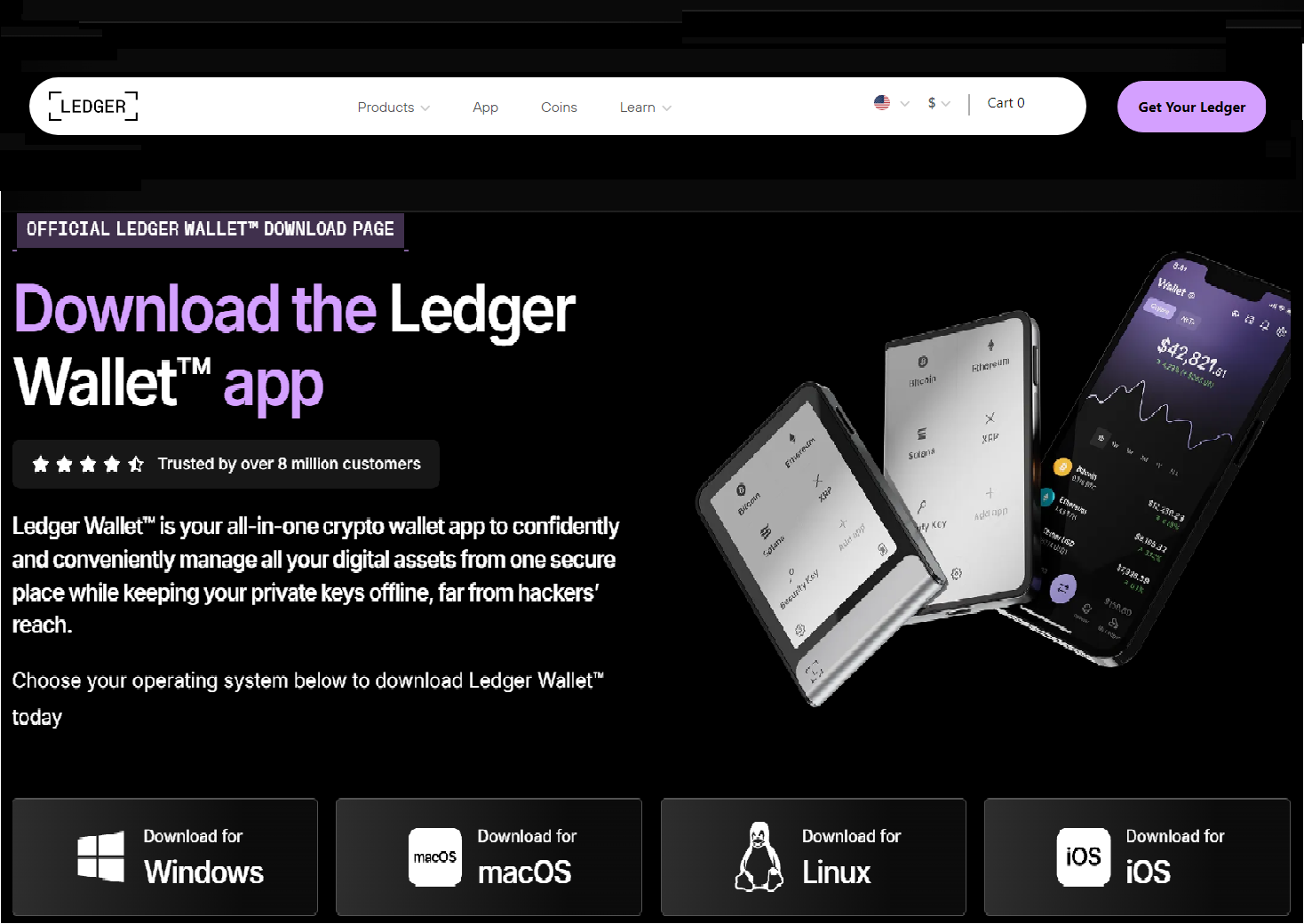
The Ledger software environment allows users to connect their hardware wallet and manage supported digital assets. Many users know this application by the previous name, Ledger Live, while Ledger currently uses the Ledger Wallet™ name for its wallet application.
Download the application only from an official Ledger source. Avoid third-party download pages, unofficial installers, and suspicious links shared through messages or advertisements.
Connect Your Ledger Device
After installing the wallet application, connect your Ledger hardware wallet and follow the setup instructions shown on your screen.
During the process, certain actions may require confirmation directly on the physical device. Carefully review all information displayed on the hardware wallet before approving any request.
The physical confirmation process is an important security feature because it allows users to verify actions before they are completed.
Create a Secure Wallet Backup
During setup, users may create a new wallet or restore an existing one. If creating a new wallet, the device will guide you through recording your recovery information.
Your recovery phrase should be stored safely and privately. It should never be shared with anyone, entered into unknown websites, or saved in locations where unauthorized people could access it.
The recovery phrase is designed for wallet recovery, so protecting it is one of the most important responsibilities of a self-custody wallet user.
Manage Cryptocurrency Through Ledger
After completing setup through Ledger.com/start, users can access wallet-management features through the Ledger application. Depending on supported assets and available services, users may be able to view balances, check transaction history, receive cryptocurrency, and prepare transfers.
Different cryptocurrencies may have different requirements, so users should review available options before managing a specific asset.
Confirm Transactions Carefully
Sending cryptocurrency requires attention to detail. Before approving a transaction, check the recipient address, amount, and other details shown on your Ledger device.
Do not rely only on information displayed on your computer or mobile screen. Always compare the transaction information shown on the hardware wallet before confirming.
A careful review process can help prevent mistakes and unwanted transfers.
Protect Yourself From Fake Support Requests
Cryptocurrency scams often target wallet users through fake support messages, phishing websites, and misleading notifications.
Be cautious if someone asks for your recovery phrase, PIN, or private wallet information. Legitimate wallet support should not require access to your confidential recovery details.
If you need help, access support through official Ledger channels instead of following links from unknown sources.
Maintain Your Ledger Wallet Security
After your wallet is set up, continue practicing good security habits. Keep your wallet software updated through official methods and stay aware of common cryptocurrency scams.
Regularly reviewing your wallet activity and verifying transactions can help you maintain better control over your digital assets.
Conclusion
Ledger.com/start offers a reliable starting point for users beginning their Ledger hardware-wallet journey. By using official software, protecting recovery information, connecting the device correctly, and verifying transactions carefully, users can build safer cryptocurrency management habits. A secure setup is the foundation for a smoother and more confident Ledger wallet experience.
Updated about 7 hours ago